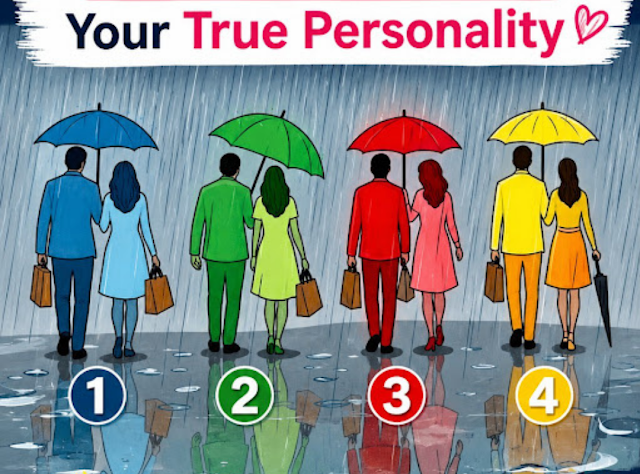
Human beings are endlessly fascinated by love. We analyze it in movies, search for it in songs, question it in late-night conversations, and quietly compare our own relationships to the couples we see around us. Sometimes all it takes is a simple image—a pair holding hands, two people laughing together, or a tired couple still walking side by side—to trigger surprisingly deep emotions inside us.
Why?
Because when we look at relationships, we are rarely just observing other people. We are also searching for ourselves.
The kind of couple that catches your attention often reflects something hidden within your emotional world: your values, your emotional wounds, your hopes, your fears, your relationship patterns, and even the kind of love your heart quietly longs for. A person drawn to calm companionship may crave emotional safety. Someone captivated by passionate eye contact may hunger for deep understanding and emotional intensity. Another person may admire struggling couples who stay together because they secretly believe loyalty matters more than perfection.
What makes this fascinating is that people often reveal their deepest emotional needs unconsciously. Long before logic enters the picture, the heart reacts instinctively to certain forms of connection. A simple photograph of two people can activate memories, desires, insecurities, or emotional dreams we barely admit even to ourselves.
And perhaps the most surprising truth of all is this: happiness in relationships rarely looks exactly the same for everyone.
Some people feel most loved through silence.
Others through attention.
Others through care.
Others through passion.
Others through resilience.
There is no universal blueprint for emotional fulfillment.
That is why psychological relationship tests fascinate people so deeply. They create mirrors. Not scientific diagnoses, but emotional reflections. They reveal the emotional atmosphere we are naturally drawn toward and the kind of intimacy that feels safest, most meaningful, or most healing to us.
So when you ask yourself, “Which couple looks the happiest?” you may unknowingly be answering a much deeper question:
“What kind of love do I believe will finally make me feel emotionally at home?”
The answer can reveal more than you expect.
Why Humans Instantly Judge Relationship Happiness
People make emotional judgments within seconds.
A glance at body language, facial expressions, distance between partners, posture, eye contact, and gestures is often enough for the brain to create an entire emotional story.
This happens because humans are deeply social creatures. We constantly scan relationships around us to understand:
- emotional safety
- compatibility
- trust
- attraction
- social belonging
- emotional stability
Without realizing it, people evaluate couples everywhere:
- in cafés
- on public transportation
- at family gatherings
- online
- at work
- during conversations
The brain naturally asks:
- Are they happy?
- Do they trust each other?
- Is their love real?
- Are they emotionally connected?
- Is one person more invested than the other?
But here is the deeper truth: the qualities we notice most intensely are often connected to our own emotional needs.
A person starving for emotional attention notices intimacy immediately.
Someone exhausted by chaos notices calmness.
Someone wounded by betrayal notices loyalty.
Someone who feels unseen notices eye contact.
The heart recognizes what it craves.
The Couple Holding Hands in Silence
They walk beside each other quietly. No dramatic gestures. No constant talking. No need to perform happiness for anyone around them. Yet somehow, their silence feels warm instead of cold.
This type of couple often deeply attracts people who value emotional peace over emotional intensity.
For some individuals, silence feels uncomfortable. They interpret it as boredom, emotional distance, or lack of chemistry. But for others, silence represents the highest level of intimacy possible.
Why?
Because true emotional safety removes the pressure to constantly entertain, impress, or perform.
When two people can simply exist together peacefully, it often signals:
- trust
- emotional stability
- comfort
- acceptance
- maturity
- nervous system calmness
This kind of connection appeals strongly to individuals who secretly long for emotional rest.
The Psychology Behind Quiet Companionship
People drawn to silent couples are often emotionally exhausted by instability.
They may have experienced:
- emotionally chaotic relationships
- inconsistency
- emotional unpredictability
- constant conflict
- relationships filled with anxiety
As a result, they begin craving something quieter and safer.
To them, love is not measured by grand gestures alone.
It is measured by consistency.
The ability to sit beside someone peacefully can feel more romantic than dramatic declarations.
These individuals often appreciate:
- reliability
- emotional grounding
- gentle affection
- calm energy
- emotional patience
They may not need endless excitement to feel connected. In fact, excessive emotional highs and lows can feel draining rather than romantic.
Why Silence Feels Intimate to Some People
Silence is emotionally revealing.
When conversation disappears, authenticity becomes more visible.
People who cannot tolerate silence often use constant talking to manage discomfort or anxiety. But emotionally secure companionship allows silence to feel natural instead of threatening.
For emotionally mature couples, silence can communicate:
- comfort
- trust
- emotional safety
- mutual understanding
- peaceful coexistence
This kind of relationship energy often appeals to introverted personalities or highly sensitive individuals who become overwhelmed by emotional chaos.
The Hidden Fear Behind This Preference
Interestingly, people drawn to peaceful couples sometimes fear emotional conflict deeply.
They may avoid:
- confrontation
- emotional unpredictability
- aggressive communication
- instability
As a result, they can occasionally suppress their own needs to maintain harmony.
Their challenge is learning that healthy love includes honesty—not only peace.
True intimacy requires emotional expression as well as emotional calmness.
The Couple Helping Each Other
One partner carries the bags.
The other adjusts a scarf.
One notices the other is cold.
The other quietly prepares coffee without being asked.
Nothing dramatic happens.
Yet the emotional warmth feels undeniable.
People drawn to this type of couple often believe love is proven through actions rather than words.
For them, affection is practical.
Love means:
- helping
- supporting
- noticing
- protecting
- remembering
- easing burdens
This perspective usually develops from deeply emotional experiences.
Why Acts of Service Feel So Powerful
Many people grow up in environments where love was expressed through responsibility rather than verbal affection.
Parents may not have spoken emotionally often, but they showed care through:
- cooking
- providing
- helping
- fixing problems
- making sacrifices
As adults, these individuals often associate love with effort rather than emotional speeches.
To them:
“Did you eat?”
“I’ll carry that for you.”
“Drive safely.”
“Let me help.”
These phrases feel deeply intimate.
The Emotional Personality of People Drawn to Caretaking Couples
Click page 2 to continue