The vinegar solution does not directly eliminate ridges.
However, by softening hardened keratin and improving nail texture, it may make ridges appear less pronounced.
Regular maintenance often creates a smoother surface over time.
The Surprising Impact of Footwear
Many toenail problems begin in the shoe closet.
Poorly fitting footwear can create continuous pressure on nails.
This pressure may lead to:
- thickening
- bruising
- discoloration
- nail separation
- ridging
Athletes frequently experience these issues due to repetitive impact.
Even ordinary walking can create chronic trauma when shoes are too tight.
Why Nail Polish Can Cause Yellow Stains
Not all yellow nails indicate infection.
Dark-colored nail polish can stain the nail plate directly.
Repeated use without a protective base layer often leads to:
- yellow discoloration
- dull appearance
- uneven color
The staining may persist for weeks after polish removal.
Fortunately, this type of discoloration is usually harmless.
Nutritional Factors That Affect Nail Health
Toenails reflect internal health surprisingly well.
Deficiencies may contribute to:
- brittleness
- slow growth
- ridging
- weakness
Nutrients commonly associated with nail health include:
- biotin
- zinc
- iron
- protein
- vitamin B12
- vitamin D
A balanced diet supports healthier nail growth from within.
Why Hydration Matters
Nails contain water despite appearing hard and dry.
Chronic dehydration may contribute to:
- brittleness
- cracking
- splitting
Adequate hydration supports overall tissue health, including nails.
Common Mistakes That Sabotage Toenail Improvement
Many people unknowingly undermine their progress.
Inconsistent Treatment
Skipping days frequently slows improvement.
Consistency matters more than intensity.
Poor Drying Habits
Failing to dry feet thoroughly creates a moist environment favorable to fungal growth.
Overly Concentrated Vinegar
Undiluted vinegar may cause:
- irritation
- redness
- burning
Dilution remains important for safety.
Ignoring Foot Hygiene
A soak cannot compensate for poor daily hygiene habits.
Regular cleaning remains essential.
Extra Habits That Support Healthier Toenails
A comprehensive approach often works best.
Helpful habits include:
- trimming nails properly
- changing socks regularly
- wearing breathable footwear
- rotating shoes
- allowing feet to air out
- maintaining healthy blood sugar levels
These simple steps often produce meaningful improvements over time.
Why Diabetes Requires Special Attention
People with diabetes should be especially cautious regarding foot care.
Diabetes may affect:
- circulation
- wound healing
- nerve function
Even minor foot issues can become serious if neglected.
Professional guidance is often recommended before beginning new foot treatments.
The Connection Between Circulation and Toenail Appearance
Healthy nails require healthy blood flow.
Poor circulation may contribute to:
- slow growth
- discoloration
- thickening
- fragile nails
Conditions affecting blood vessels sometimes reveal themselves through changes in the feet.
When Toenail Changes May Signal Something More Serious
Most toenail changes are harmless or manageable.
However, some warrant medical evaluation.
Concerning signs include:
- severe pain
- bleeding
- sudden color changes
- black streaks
- persistent swelling
- nail separation
- rapidly worsening symptoms
Ignoring unusual changes may delay diagnosis of underlying conditions.
Dark Spots: Not Always What You Think
Dark spots beneath nails can result from:
- trauma
- bruising
- fungal infection
- pigmentation changes
Sometimes a forgotten injury causes discoloration that remains visible for months as the nail grows out.
Persistent unexplained dark spots should always be evaluated professionally.
Why Aging Changes Toenails Naturally
Aging affects nail growth and structure.
Common age-related changes include:
- thicker nails
- slower growth
- ridges
- dull appearance
Not every nail change represents disease.
Understanding normal aging helps distinguish between expected changes and potential problems.
Building a Long-Term Nail Care Routine
Healthy nails rarely result from one treatment alone.
Long-term success usually comes from:
- hygiene
- consistency
- proper footwear
- nutrition
- moisture control
- patience
Small habits performed regularly often outperform expensive treatments used inconsistently.
The Psychology of Visible Nail Problems
Toenail concerns affect more than appearance.
Many individuals feel:
- embarrassed
- self-conscious
- reluctant to wear sandals
- uncomfortable during social activities
Because feet are often hidden, people frequently delay seeking help.
Yet addressing nail health can improve both comfort and confidence.
Why Patience Is the Most Powerful Treatment
Perhaps the most important lesson about toenail care is this:
Toenails heal slowly.
Modern culture encourages quick results, but nail recovery follows biological timelines rather than personal deadlines.
Whether discoloration stems from fungus, trauma, aging, or staining, meaningful improvement often requires weeks or months.
There are rarely overnight transformations.
Final Thoughts: Healthier Toenails Begin With Consistent Care
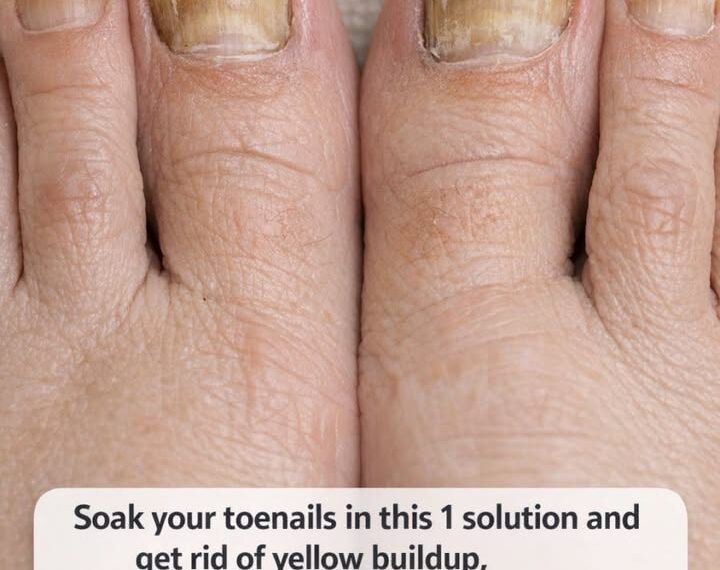
Yellow buildup, dark spots, thick ridges, and rough nail texture are among the most common foot concerns people face. While these changes can be frustrating, they often respond well to consistent attention, proper hygiene, and supportive care.
A simple diluted apple cider vinegar soak may help improve nail appearance by softening keratin buildup, supporting cleanliness, and creating a less favorable environment for certain microorganisms. Combined with good foot hygiene, breathable footwear, proper nutrition, and regular maintenance, it can become part of an effective home-care routine.
At the same time, it is important to remember that toenails sometimes reveal deeper health issues. Persistent discoloration, pain, swelling, sudden changes, or worsening symptoms should never be ignored.
Healthy toenails are not just cosmetic. They are part of overall wellness.
The most successful approach is rarely aggressive or complicated. Instead, it is built on consistency, patience, observation, and daily habits that support long-term nail health. Over time, these small actions can make a remarkable difference—not only in how your toenails look, but also in how your feet feel every single day.