Imagine waking up every morning with heavy legs, cold feet, tingling hands, or a persistent feeling of fatigue that seems impossible to shake. You stretch, drink coffee, and begin your day, but something still feels off. Your feet feel numb after sitting for too long. Your legs ache during the afternoon. Your hands become cold even when the room feels warm. You may brush these symptoms aside as signs of aging, stress, or simply spending too much time sitting.
But often, these subtle complaints have one thing in common: circulation.
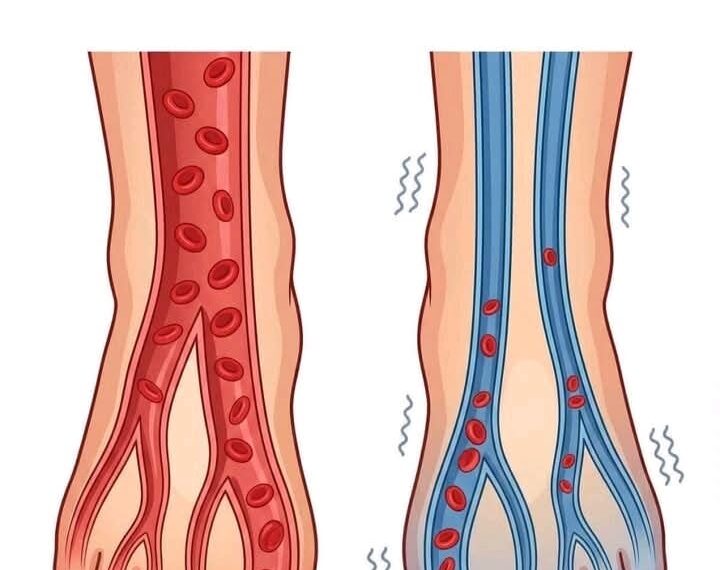
Blood circulation is one of the most important yet overlooked systems in the human body. Every second of every day, your heart pumps blood through a vast network of arteries, veins, and capillaries that deliver oxygen, nutrients, hormones, and immune cells to every organ, muscle, and tissue. Without efficient circulation, even the healthiest cells struggle to perform at their best.
Poor circulation is not a disease in itself. Rather, it is often a warning sign that something in the body’s transportation system is not functioning optimally. The effects may seem minor at first—cold extremities, occasional tingling, mild swelling—but over time, reduced blood flow can affect energy levels, mobility, cardiovascular health, muscle function, and overall quality of life.
The encouraging news is that improving circulation does not always require complicated equipment, expensive memberships, or extreme exercise programs. In many cases, just 15 to 20 minutes of daily movement can help stimulate blood flow, improve vascular flexibility, and support healthier circulation throughout the body.
The secret lies not in intensity, but in consistency.
Simple movements such as stretching, walking, ankle rotations, swimming, cycling, yoga, and bodyweight exercises can help activate muscles that naturally assist blood flow and encourage the circulatory system to work more efficiently.
Understanding why circulation matters—and how daily movement affects it—may transform the way you approach your health.
Understanding the Circulatory System
Before exploring solutions, it helps to understand what circulation actually means.
The circulatory system consists of:
- The heart
- Arteries
- Veins
- Capillaries
- Blood
Together, these components transport:
- Oxygen
- Nutrients
- Hormones
- Immune cells
- Waste products
Every heartbeat sends blood through thousands of kilometers of blood vessels.
This circulation supports:
- Brain function
- Muscle performance
- Organ health
- Temperature regulation
- Healing processes
Without adequate circulation, tissues cannot receive the oxygen and nutrients they need to function optimally.
Why Poor Circulation Happens
Many modern lifestyle habits contribute to circulation problems.
Common factors include:
Prolonged Sitting
Office work, commuting, and screen time encourage long periods of inactivity.
When muscles remain inactive, blood flow slows.
Lack of Exercise
Movement acts like a secondary pump that helps blood return to the heart.
Without movement, circulation becomes less efficient.
Smoking
Smoking damages blood vessels and reduces oxygen delivery.
Obesity
Excess weight increases strain on the cardiovascular system.
High Blood Pressure
Hypertension can damage blood vessel walls over time.
Diabetes
Elevated blood sugar levels may damage nerves and blood vessels.
Aging
Blood vessels naturally lose some elasticity with age.
However, regular exercise can help maintain vascular health.
Early Signs of Poor Circulation
Poor circulation often develops gradually.
Common symptoms include:
- Cold hands and feet
- Tingling sensations
- Numbness
- Swelling in the legs
- Muscle cramps
- Fatigue
- Slow wound healing
- Varicose veins
- Restless legs
- Reduced exercise tolerance
These symptoms should not automatically cause alarm, but they should encourage greater attention to cardiovascular health.
Why Movement Is Nature’s Circulation Booster
The human body was designed to move.
Muscles do far more than create movement.
They also help pump blood.
When muscles contract:
- Veins are compressed
- Blood is pushed upward
- Circulation improves
This is especially important in the legs, where gravity works against blood returning to the heart.
Movement helps overcome this challenge naturally.
The 20-Minute Daily Circulation Routine
A short daily routine can help stimulate blood flow throughout the body.
The key is targeting:
- Joints
- Muscles
- Blood vessels
- Breathing patterns
Together, these movements encourage circulation from head to toe.
Morning Stretching: Wake Up Your Blood Vessels
One of the simplest circulation exercises begins before you even leave bed.
Full-Body Stretch
Stretch:
- Arms overhead
- Legs downward
- Toes outward
Hold for several seconds.
Repeat multiple times.
This gentle movement activates:
- Muscles
- Nerves
- Blood vessels
Many people notice increased alertness immediately afterward.
Why Stretching Helps Blood Flow
Stretching temporarily lengthens muscles and tissues.
This creates changes in blood vessel pressure and encourages circulation.
Additionally, stretching may:
- Reduce stiffness
- Improve flexibility
- Enhance mobility
- Support joint health
Blood vessels benefit from regular expansion and contraction.
Joint Mobility Exercises
After stretching, focus on the joints.
Healthy joints encourage healthy movement.
Wrist Rotations
Rotate wrists slowly.
This promotes circulation to:
- Hands
- Fingers
- Forearms
Particularly useful for people who spend hours typing.
Shoulder Rolls
Roll shoulders backward and forward.
This helps relieve upper-body tension while encouraging blood flow through the neck and arms.
Hip Mobility Movements
Gentle hip circles improve circulation to:
- Pelvis
- Lower back
- Legs
The hips contain major blood vessels that benefit from regular movement.
Neck Exercises and Circulation
Many people hold enormous tension in the neck.
Poor posture can contribute to:
- Muscle tightness
- Reduced mobility
- Headaches
Simple neck exercises may help.
Side-to-Side Turns
Turn the head slowly left and right.
Repeat ten times.
Forward Flexion
Lower the chin toward the chest gently.
This stretches neck muscles and encourages mobility.
Understanding Neck Cracking
Some people hear cracking sounds during neck movement.
These sounds often result from:
- Gas release within joints
- Tendon movement
- Joint adjustments
Occasional cracking without pain is generally common.
However, aggressive neck manipulation should be avoided.
Push-Ups and Circulation
Push-ups are surprisingly effective circulation exercises.
They activate:
- Chest muscles
- Shoulders
- Arms
- Core
This increases heart rate and blood flow throughout the body.
Even modified push-ups can be beneficial.
Beginners can perform them:
- Against a wall
- On a countertop
- From the knees
The goal is movement, not perfection.
Why Resistance Exercises Help Blood Flow
Resistance training stimulates circulation in two ways:
Immediate Effect
Blood rushes to working muscles.
Long-Term Effect
Regular exercise improves vascular function and cardiovascular efficiency.
Over time, the body becomes better at delivering oxygen.
Heel and Toe Raises: A Powerful Circulation Tool
The calf muscles are sometimes called the body’s “second heart.”
When they contract, they help push blood upward toward the heart.
Toe Raises
Lift the toes while keeping heels down.
Heel Raises
Lift heels while keeping toes grounded.
Alternate repeatedly.
This simple movement is particularly helpful for:
- Office workers
- Travelers
- Older adults
Why Sitting Harms Circulation
Click page 2 to continue