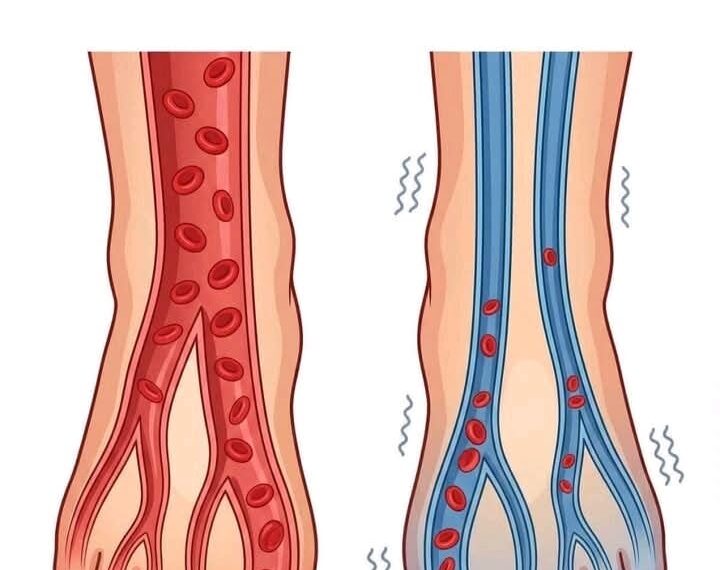
Sitting for prolonged periods reduces muscle activity.
Blood pools more easily in the legs.
This can contribute to:
- Swelling
- Heaviness
- Discomfort
Standing and moving every hour helps counteract these effects.
Ankle Rotations: Small Movement, Big Benefits
Ankle mobility exercises are often overlooked.
Yet they are extremely effective.
Rotate feet:
- Clockwise
- Counterclockwise
Perform slowly.
These movements stimulate:
- Blood flow
- Joint mobility
- Muscle activation
Many people notice immediate relief from stiffness.
Hand Exercises for Better Circulation
Hands frequently reveal circulation issues.
Cold fingers and numbness are common complaints.
Finger Stretch
Spread fingers as wide as possible.
Hold briefly.
Fist Formation
Close the hand into a fist.
Hold for several seconds.
Release.
Repeat.
These movements encourage blood flow through small vessels in the hands.
Walking: The Most Underrated Circulation Exercise
Walking remains one of the most effective exercises for circulation.
It requires:
- No gym
- No equipment
- No advanced skills
Walking activates:
- Calves
- Thighs
- Hips
- Core
Every step assists blood movement.
Why Walking Improves More Than Circulation
Regular walking may support:
- Blood pressure regulation
- Weight management
- Cardiovascular health
- Mental wellbeing
- Lung function
Even short daily walks provide meaningful benefits.
How Much Walking Is Enough?
Beginners can start with:
- 10 minutes
- 15 minutes
- 20 minutes
Consistency matters more than distance initially.
Over time, longer walks become easier.
Swimming: The Full-Body Circulation Booster
Swimming combines:
- Cardiovascular exercise
- Muscle engagement
- Joint protection
Water supports the body while creating resistance.
This makes swimming ideal for people with:
- Joint pain
- Arthritis
- Mobility limitations
Why Water Helps Circulation
Water pressure naturally supports venous return.
This may improve blood flow back to the heart.
Swimming also activates nearly every major muscle group simultaneously.
Cycling and Lower-Body Circulation
Cycling specifically benefits:
- Legs
- Calves
- Thighs
- Hips
The repetitive motion helps pump blood efficiently.
Whether outdoors or indoors, cycling remains an excellent circulation exercise.
Dancing: The Fun Alternative
Many people dislike traditional workouts.
Dancing offers a solution.
It combines:
- Movement
- Coordination
- Cardio
- Enjoyment
The best exercise is often the one you enjoy enough to continue.
Yoga and Controlled Breathing
Yoga offers unique circulation benefits.
It combines:
- Stretching
- Strength
- Balance
- Breath control
Controlled breathing helps improve oxygen delivery throughout the body.
Why Oxygen Matters
Circulation is not only about moving blood.
It is about delivering oxygen.
Every cell depends on oxygen for energy production.
Improved breathing supports this process.
Stress and Circulation
Stress affects blood vessels significantly.
Chronic stress may contribute to:
- Elevated blood pressure
- Muscle tension
- Reduced vascular flexibility
Movement helps reduce stress hormones and supports healthier circulation.
The Link Between Hydration and Blood Flow
Blood consists largely of water.
Dehydration may reduce circulation efficiency.
Proper hydration supports:
- Blood volume
- Nutrient transport
- Temperature regulation
Simple hydration habits complement exercise efforts.
Foods That Support Circulatory Health
Nutrition influences circulation profoundly.
A circulation-friendly diet often includes:
- Fruits
- Vegetables
- Whole grains
- Healthy fats
- Lean proteins
These foods support vascular health over time.
The Importance of Vascular Flexibility
Healthy blood vessels expand and contract efficiently.
Exercise helps maintain this flexibility.
Flexible vessels support:
- Blood pressure regulation
- Oxygen delivery
- Heart health
Sedentary lifestyles reduce these benefits.
When Poor Circulation Requires Medical Evaluation
Not every circulation issue can be solved with exercise alone.
Medical evaluation may be necessary if symptoms include:
- Severe pain
- Persistent swelling
- Non-healing wounds
- Significant color changes
- Chest pain
- Shortness of breath
Exercise supports health but does not replace proper medical care.
Why Prevention Is Easier Than Treatment
Many circulation problems develop slowly.
The earlier healthy habits begin, the greater the long-term benefits.
Daily movement acts like an investment in future health.
Small actions accumulate over years.
Building a Sustainable Daily Routine
The best circulation routine is not the most intense.
It is the one you actually follow.
A practical routine may include:
- Morning stretching
- Joint exercises
- Walking
- Ankle rotations
- Occasional swimming or cycling
Twenty minutes daily can produce meaningful changes over time.
The Hidden Benefits Beyond Circulation
Improved blood flow often brings additional benefits.
People frequently report:
- Better energy
- Improved mood
- Enhanced mobility
- Better sleep
- Reduced stiffness
- Greater endurance
The circulatory system influences nearly every aspect of physical wellbeing.
Final Thoughts: The Power of 20 Minutes a Day
Poor circulation rarely develops overnight, and meaningful improvement rarely happens instantly. Yet the human body possesses an extraordinary ability to adapt when given the right conditions.
A simple 20-minute daily routine of stretching, walking, joint mobility exercises, yoga, cycling, swimming, or bodyweight movements can help stimulate blood flow, improve vascular flexibility, and support overall cardiovascular health. These activities encourage blood vessels to expand and contract naturally, delivering oxygen and nutrients more efficiently throughout the body.
The beauty of circulation-focused exercise is its accessibility. You do not need expensive equipment, advanced athletic ability, or hours of free time. What matters most is consistency.
A few minutes of stretching in bed.
A short walk after lunch.
A set of ankle rotations during work.
A swim on the weekend.
A bike ride in the evening.
Small actions repeated daily often create extraordinary results over time.
Your circulatory system works tirelessly every second of your life. Supporting it does not require perfection. It simply requires movement.
And sometimes, the difference between heavy, tired legs and a healthier, more energetic body begins with something as simple as standing up, stretching, and giving yourself twenty minutes of care each day.